


Understanding the technical difference in 1d vs 2d barcode processing is vital when building or upgrading an automatic identification system. Both linear and two-dimensional symbologies serve unique roles across retail, healthcare, and industrial manufacturing.
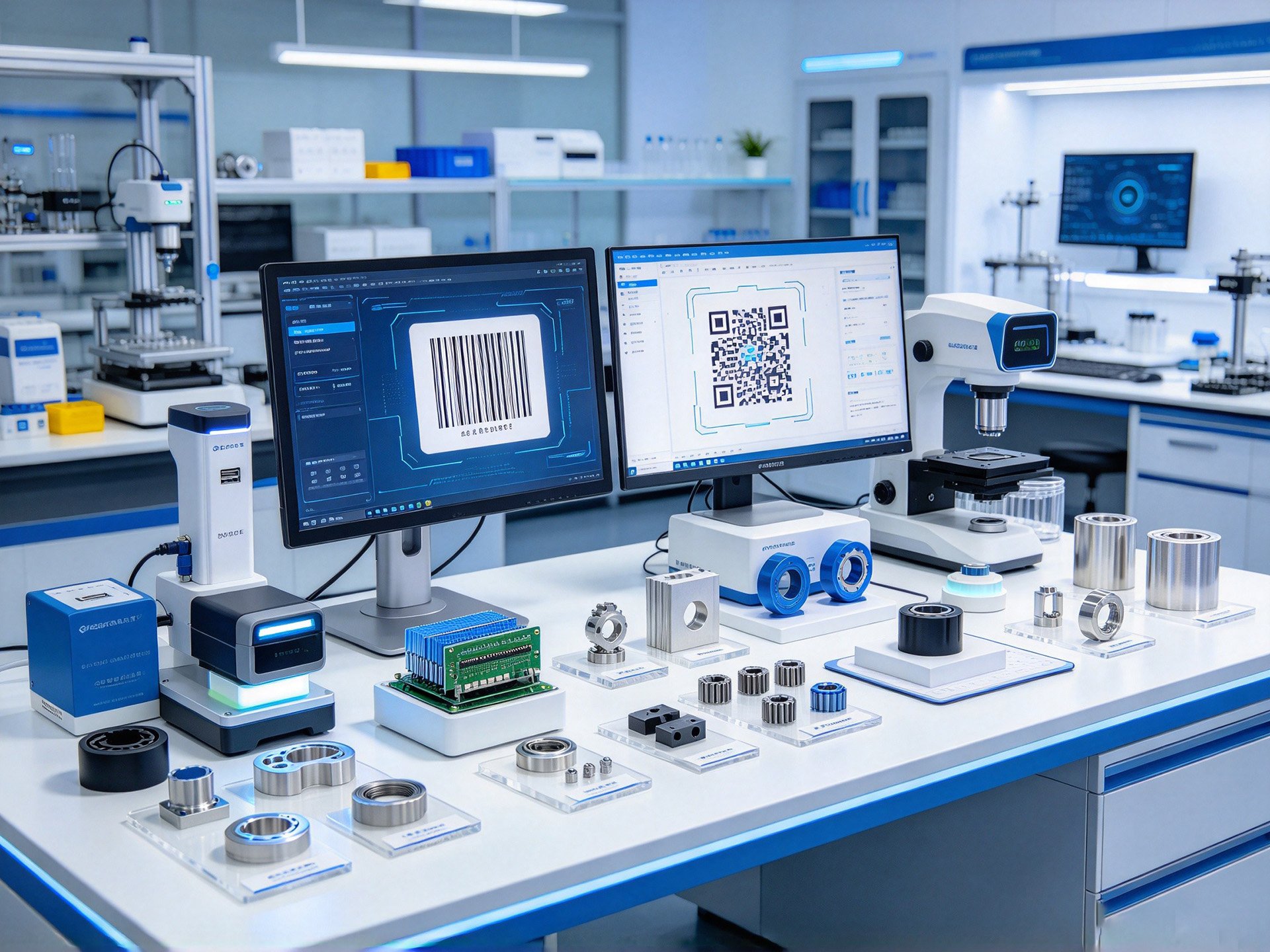
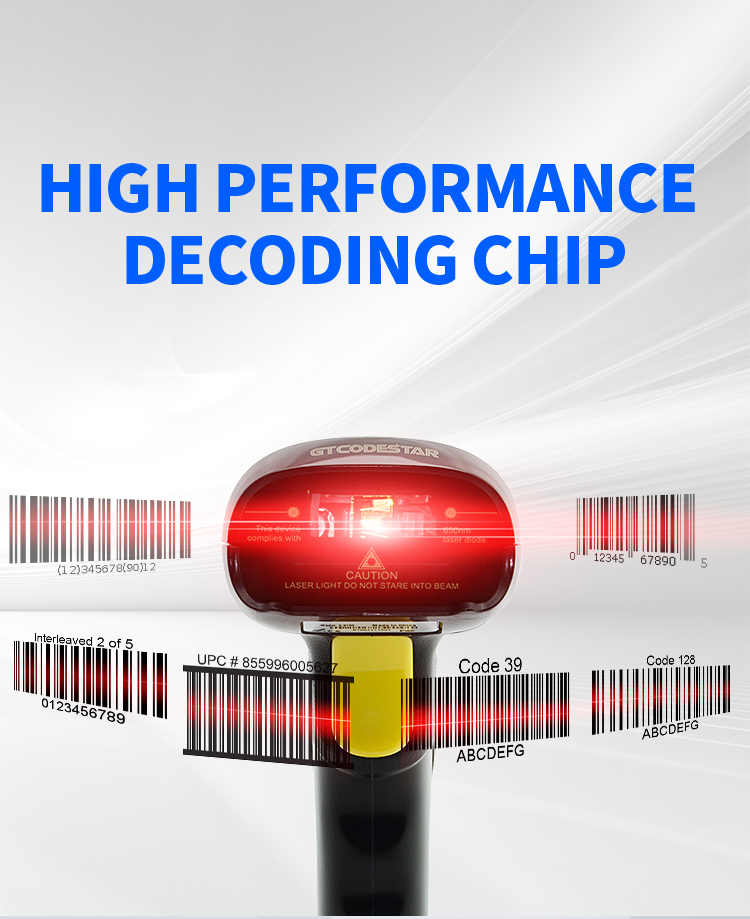
A traditional barcode reader 1d uses a linear laser or CCD sensor to read horizontal black-and-white lines. Standard 1D codes (UPC, EAN, Code 128) hold limited text data and require access to a centralized database to look up product details.
A 2d barcode reader (or scanner barcode 2d) utilizes a camera-based image sensor to capture data both horizontally and vertically. This allows 2D codes—such as QR codes and data matrix code reader targets—to store exponentially more data in a significantly smaller physical footprint.
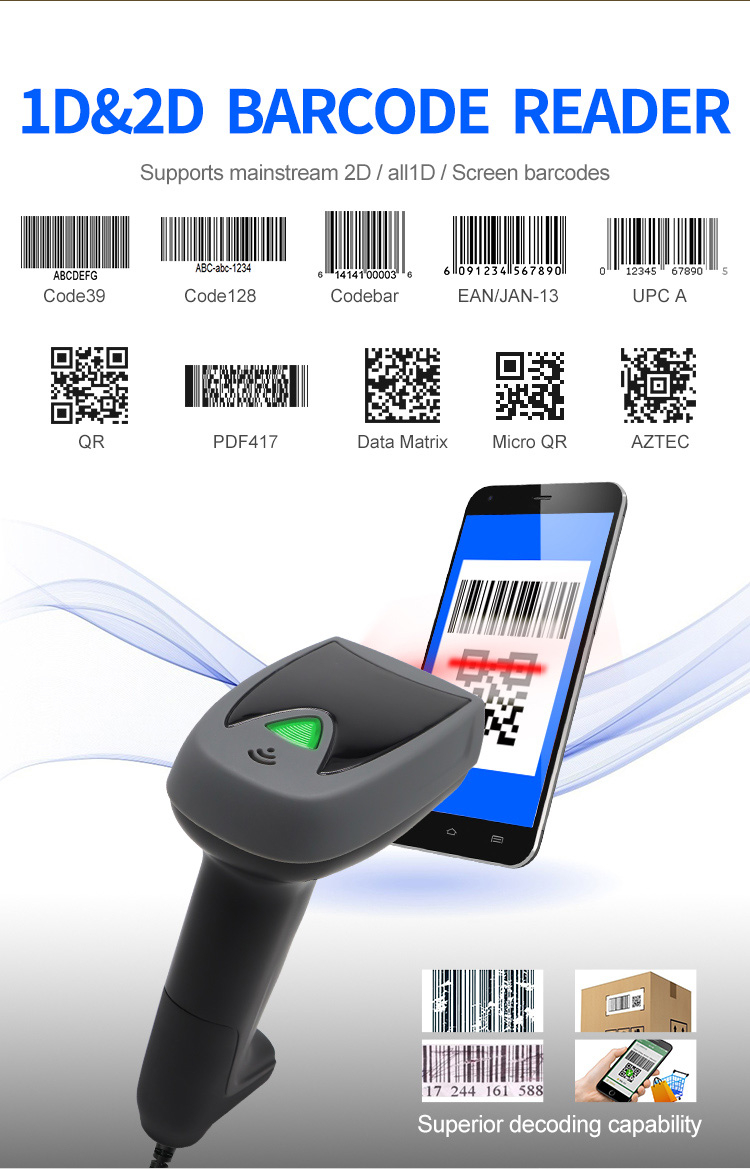

For future-proofing your business operations, transitioning to a 2d barcode reader ensures full compatibility with both traditional barcodes and modern complex matrix codes.
Please select your service type and leave your information so that we can provide the appropriate service. Xincode looks forward to working with you.




1ST FIRST FLOOR, NO.146, SANSHUI AVENUE, YUNDONGHAI STREET, SANSHUI DIST., FOSHAN CITY, GUANGDONG PRO, CHINA.
+86-18998310186(Andy Wu)