


Retail environments are evolving rapidly. Modern shoppers expect fast checkout lines and mobile wallet payments using QR codes. Understanding the distinction between 1d vs 2d scanning hardware is critical when upgrading Point of Sale (POS) infrastructure.

A traditional store scanning standard UPC/EAN labels on physical packaging relies heavily on a basic barcode reader 1d. These linear laser units excel at quick straight-line scans on flat paper labels but cannot process digital codes shown on customer mobile screens.
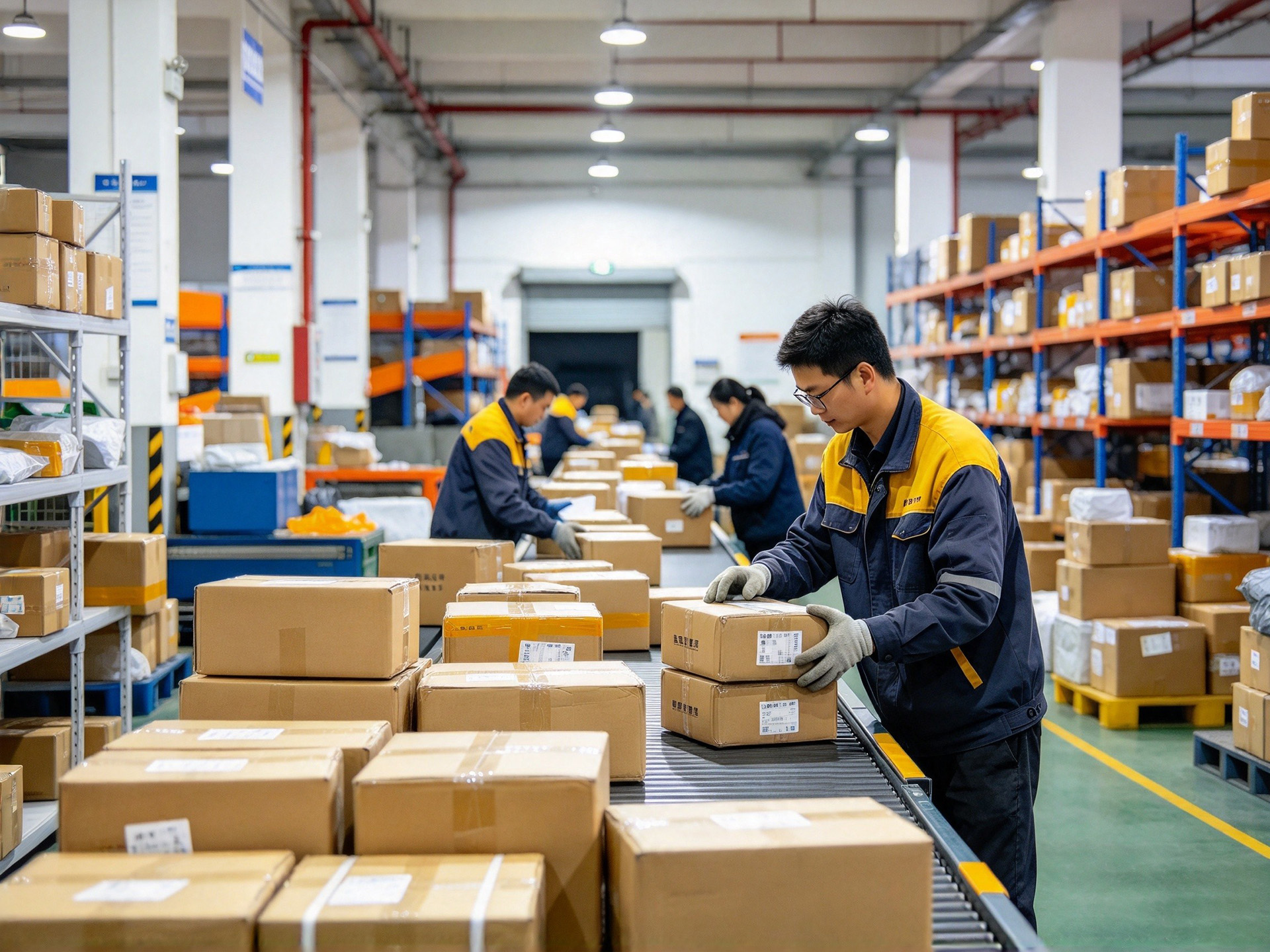
When customers present smartphone displays for digital loyalty cards or QR payments, traditional lasers fail. Deploying a camera-based 2d barcode reader or a desktop scanner barcode 2d allows cashier stations to read both printed packaging and bright smartphone screens instantly from any angle (360-degree omnidirectional scanning).
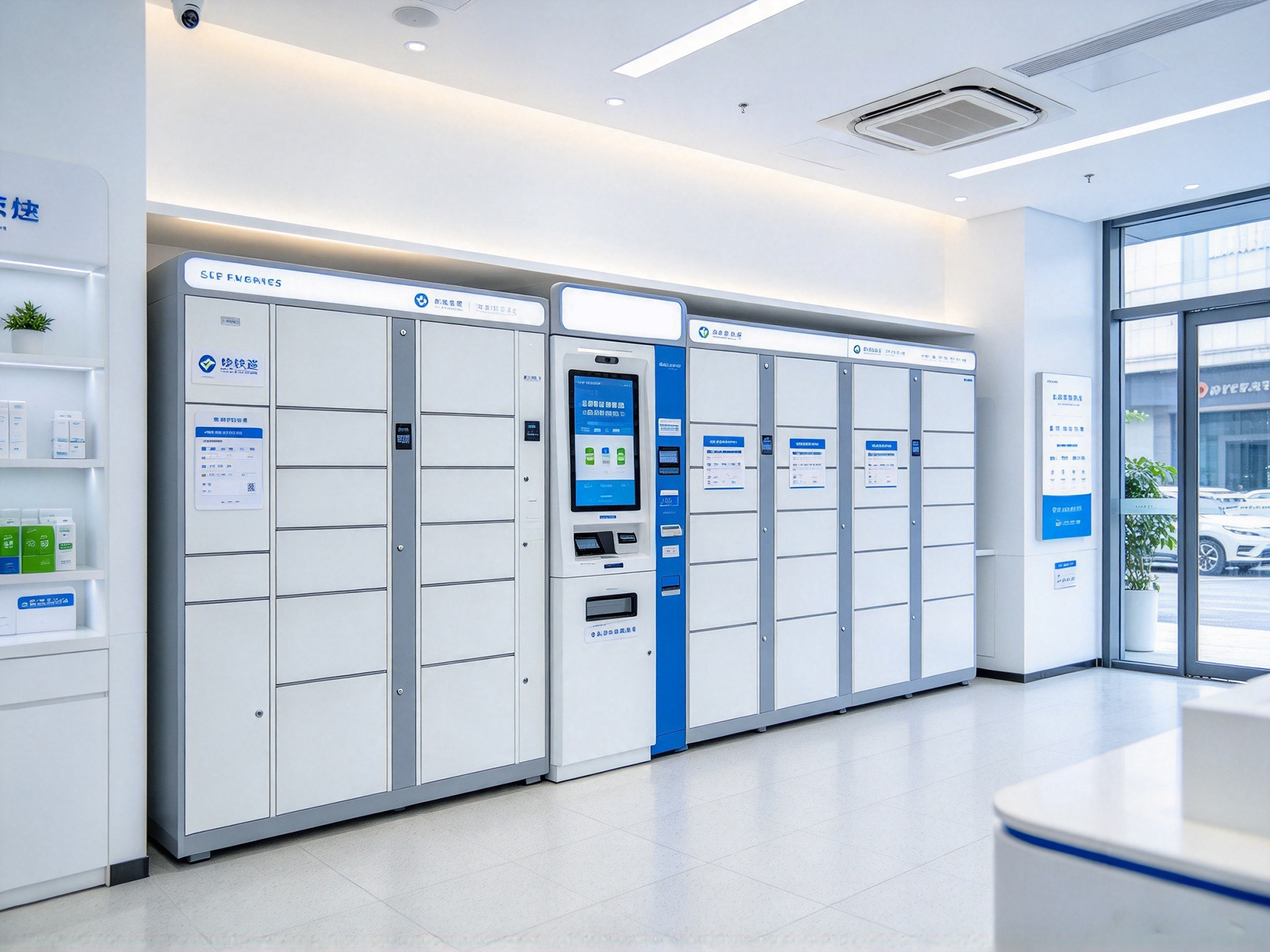
Data Storage Capacity: 1D linear codes store limited text (up to 20-80 characters); 2D matrix symbols hold thousands of characters including URLs, batch numbers, and digital signatures.
Advanced Traceability: Implementing a data matrix code reader enables medical and retail businesses to read tiny, high-density codes printed on small product packaging.
Transitioning from a 1D linear scanner to a 2D imager future-proofs retail checkout lines, allowing seamless acceptance of digital transactions and dynamic pricing models.
Please select your service type and leave your information so that we can provide the appropriate service. Xincode looks forward to working with you.




1ST FIRST FLOOR, NO.146, SANSHUI AVENUE, YUNDONGHAI STREET, SANSHUI DIST., FOSHAN CITY, GUANGDONG PRO, CHINA.
+86-18998310186(Andy Wu)